Expansion Tank Installation in Denver, CO
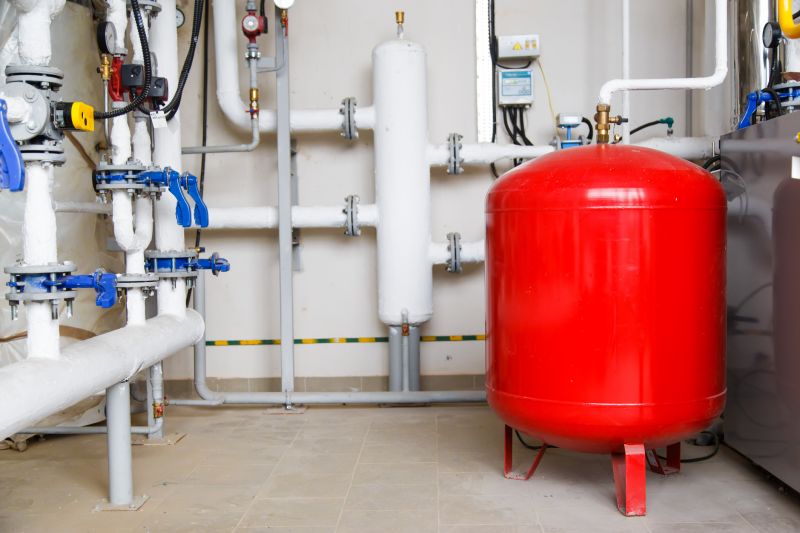
Expansion tank installation is a service that helps manage the pressure within a home's hot water heating system. These tanks are typically installed in residential properties with closed-loop or pressurized water heating systems, including those with boilers or water heaters. The primary purpose is to prevent excessive pressure buildup that can cause damage or leaks, ensuring the system operates smoothly and efficiently. Property owners often request this service when upgrading their existing system, experiencing inconsistent water pressure, or wanting to prevent potential damage caused by thermal expansion.
Before requesting expansion tank installation, property owners should consider the size and capacity needed for their specific system, which depends on the size of the household and the type of heating equipment in place. It’s also useful to understand the location options for installation and any existing system components that might influence the process. Clarifying these details can help ensure the new tank is appropriately matched to the property’s heating setup, promoting reliable operation and reducing the risk of future issues.
Many property owners in Denver, CO look into Expansion Tank Installation for repairs, replacements, upgrades, and appearance-related improvements.
Purpose Of Expansion Tanks
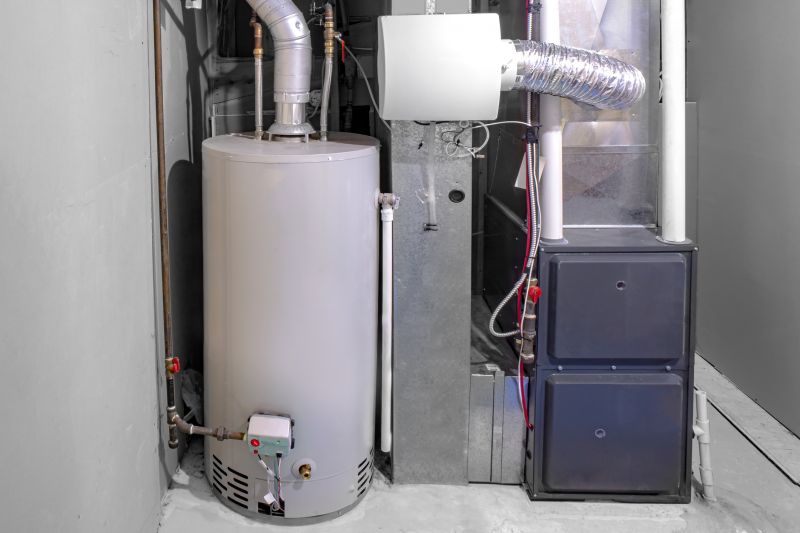
Expansion tanks help maintain consistent water pressure and prevent damage in residential and commercial plumbing systems.
Installation Considerations
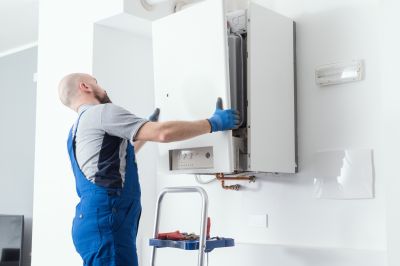
Proper placement and sizing of expansion tanks are essential for optimal system performance in denver homes.
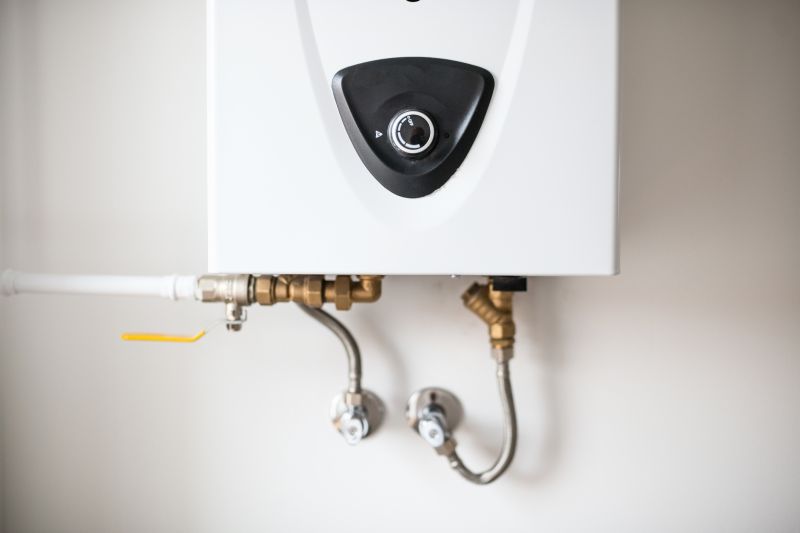
Signs You Need An Expansion Tank
Frequent pressure fluctuations or water hammer sounds can indicate the need for a new expansion tank installation.
Expansion Tank Installation in Denver, CO
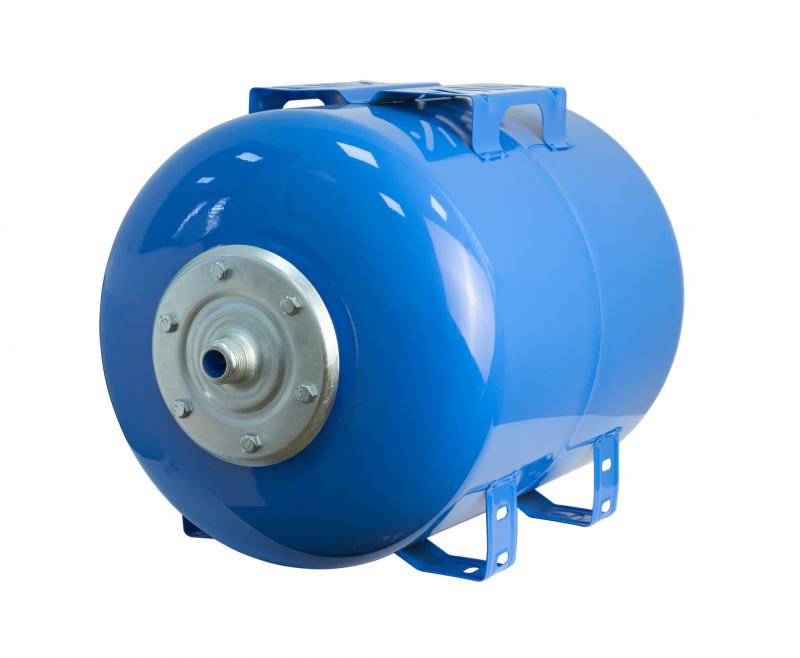
Expansion tank installation is a service that helps manage the pressure within a home's hot water heating system. These tanks are typically installed in residential properties with closed-loop or pressurized water heating systems, including those with boilers or water heaters. The primary purpose is to prevent excessive pressure buildup that can cause damage or leaks, ensuring the system operates smoothly and efficiently. Property owners often request this service when upgrading their existing system, experiencing inconsistent water pressure, or wanting to prevent potential damage caused by thermal expansion.
Before requesting expansion tank installation, property owners should consider the size and capacity needed for their specific system, which depends on the size of the household and the type of heating equipment in place. It’s also useful to understand the location options for installation and any existing system components that might influence the process. Clarifying these details can help ensure the new tank is appropriately matched to the property’s heating setup, promoting reliable operation and reducing the risk of future issues.
Many property owners in Denver, CO look into Expansion Tank Installation for repairs, replacements, upgrades, and appearance-related improvements.
Common Expansion Tank Installation Jobs
Expansion Tank Installation Questions
What is an expansion tank? An expansion tank is a component that absorbs excess pressure in a hot water heating system, helping to prevent damage and maintain proper system function.
Why is installation of an expansion tank important? Installing an expansion tank helps regulate pressure, reduces strain on the plumbing system, and can extend the lifespan of the water heater.
When should a property owner consider installing an expansion tank? An expansion tank may be recommended if there are frequent pressure fluctuations, leaks, or if the water heater is new and requires proper system setup.
What types of expansion tanks are available? There are primarily two types: bladder-style tanks and diaphragm tanks, each suited for different system needs and preferences.
Request Expansion Tank Installation in Denver, CO
Use the quote form on this page to share the basics of your project and request more information for the type of work you need.